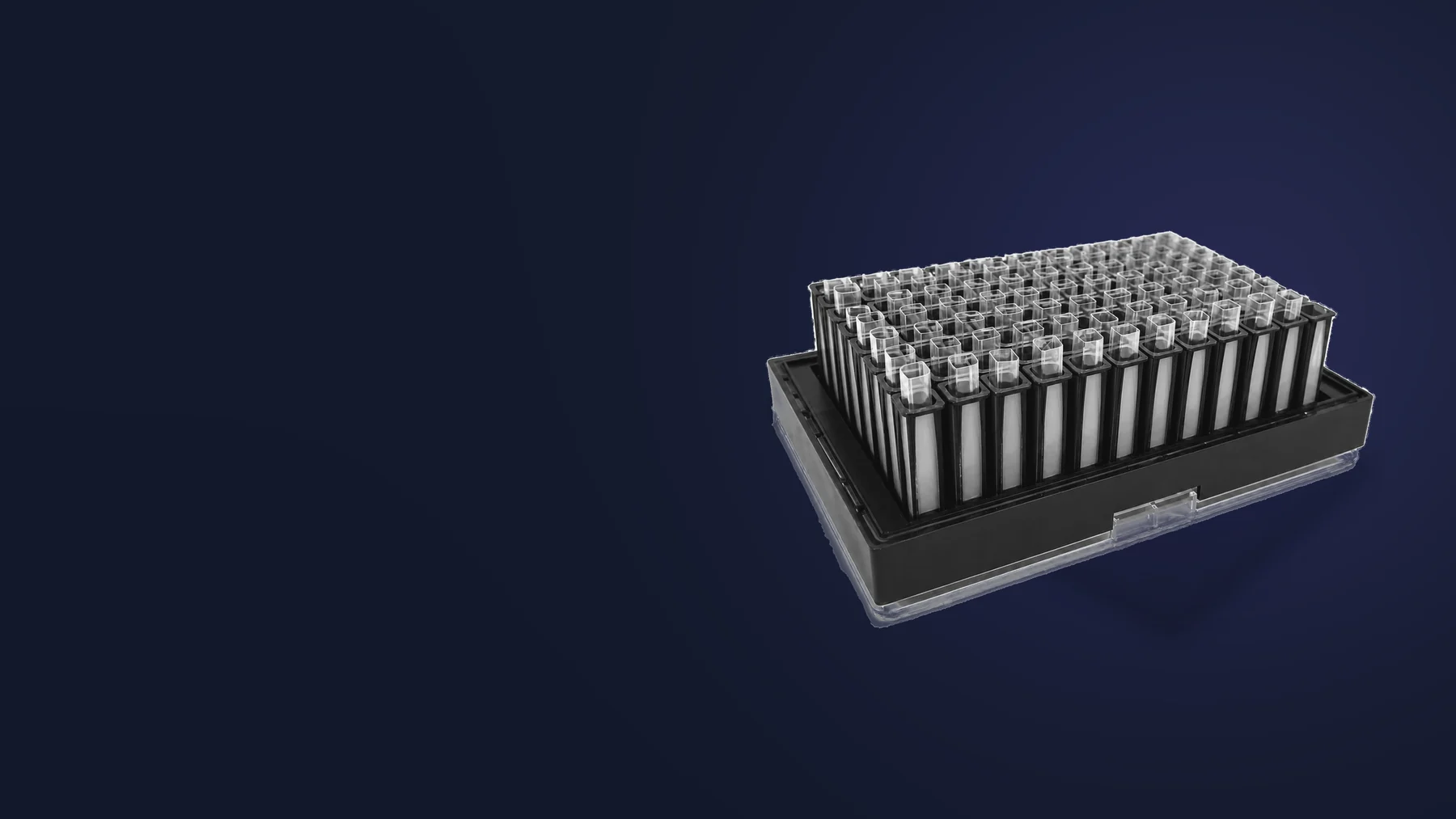
Cresivis 96-Well Parallel Dialysis Plate
96-well parallel dialysis plate
A single-use plate consumable for parallel dialysis of low-volume samples. Samples are loaded and recovered through open wells on top, while exchange takes place on an independent tubular membrane beneath each well. Fluid paths are isolated well to well, and one plate processes 96 samples at once.
Structural principle
Sample handling and dialysis exchange on separate interfaces.
The product is built on a standard 96-well plate. Open wells on top are used for loading and sampling exactly as on an ordinary plate, while an independent regenerated-cellulose tubular membrane is attached beneath each well, with its active exchange section immersed in the dialysate. Each membrane is potted with a biocompatible material that both seals the joint and secures it against detachment. Membrane length sets the active exchange height and the per-well capacity: 25 mm gives 50–250 μL, 35 mm gives 50–400 μL.
Membrane and exchange performance
Product views
Product gallery
Product renders of the 96W-D-ST-25. The membrane array is uniform across the plate: open wells face the pipette or liquid handler above, and the tubular membranes face the dialysate below.
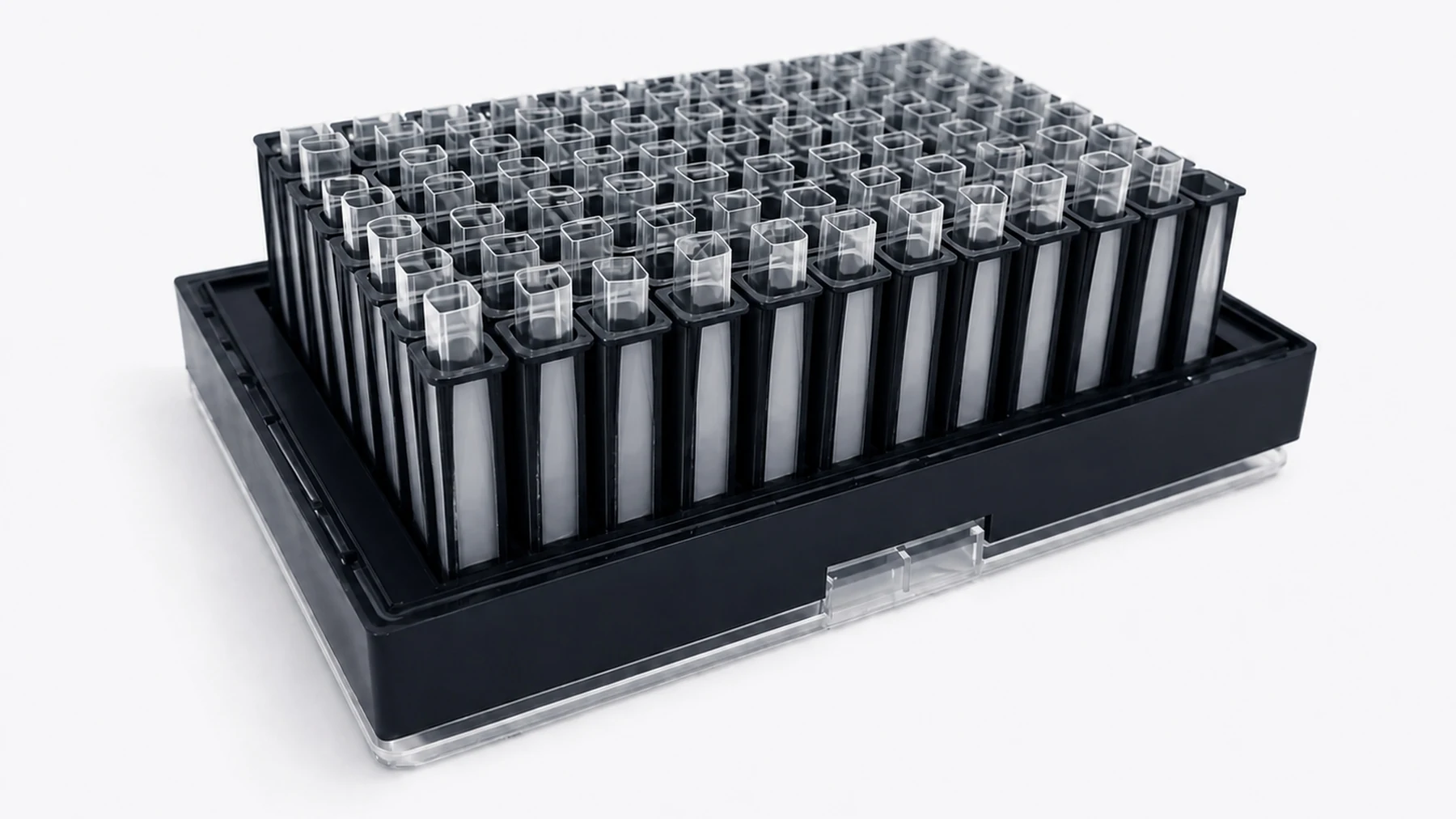
Figure 1 96-well parallel dialysis plate (96W-D-ST-25)
Overall view: the open loading interface on top, the tubular membrane array beneath the wells, and the companion dialysis container below.
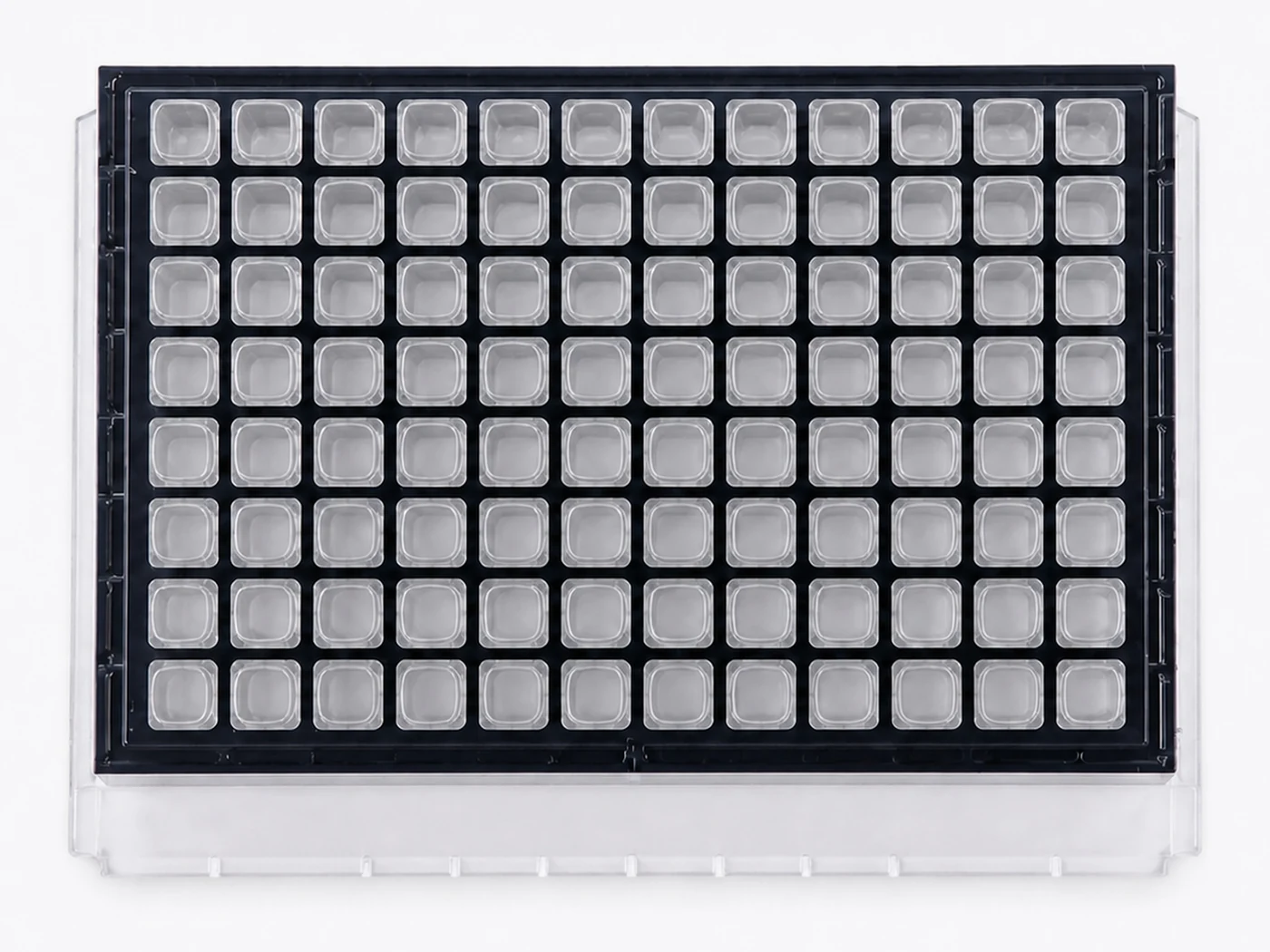
Figure 2 Top view: open loading interface
96 openings in 12 columns by 8 rows on the SBS layout, accessible with a pipette or a liquid-handling workstation.
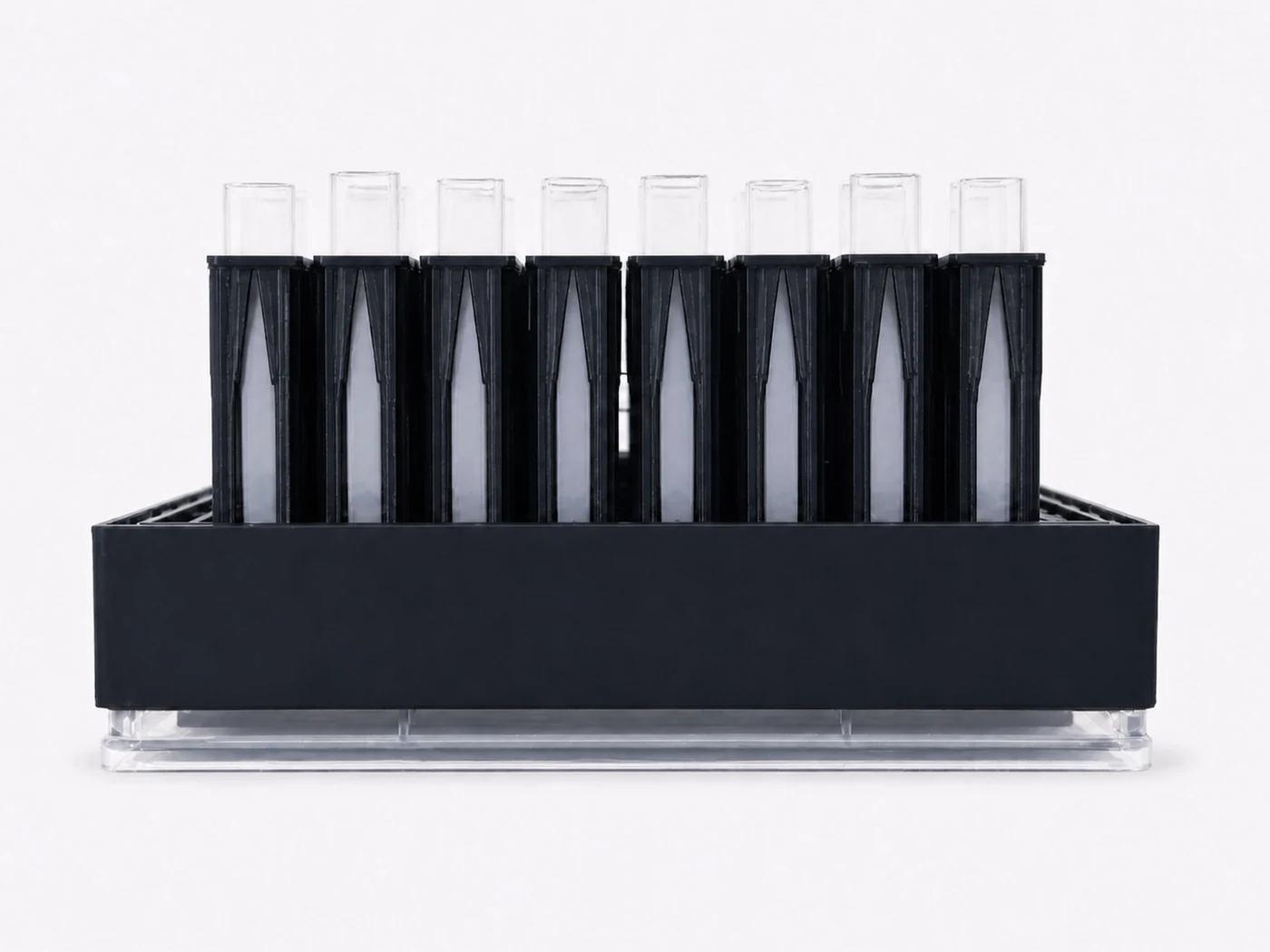
Figure 3 Close view: tubular membrane and potted seal
An independent tubular membrane is attached beneath each well, potted and sealed, with its active section immersed in the dialysate.
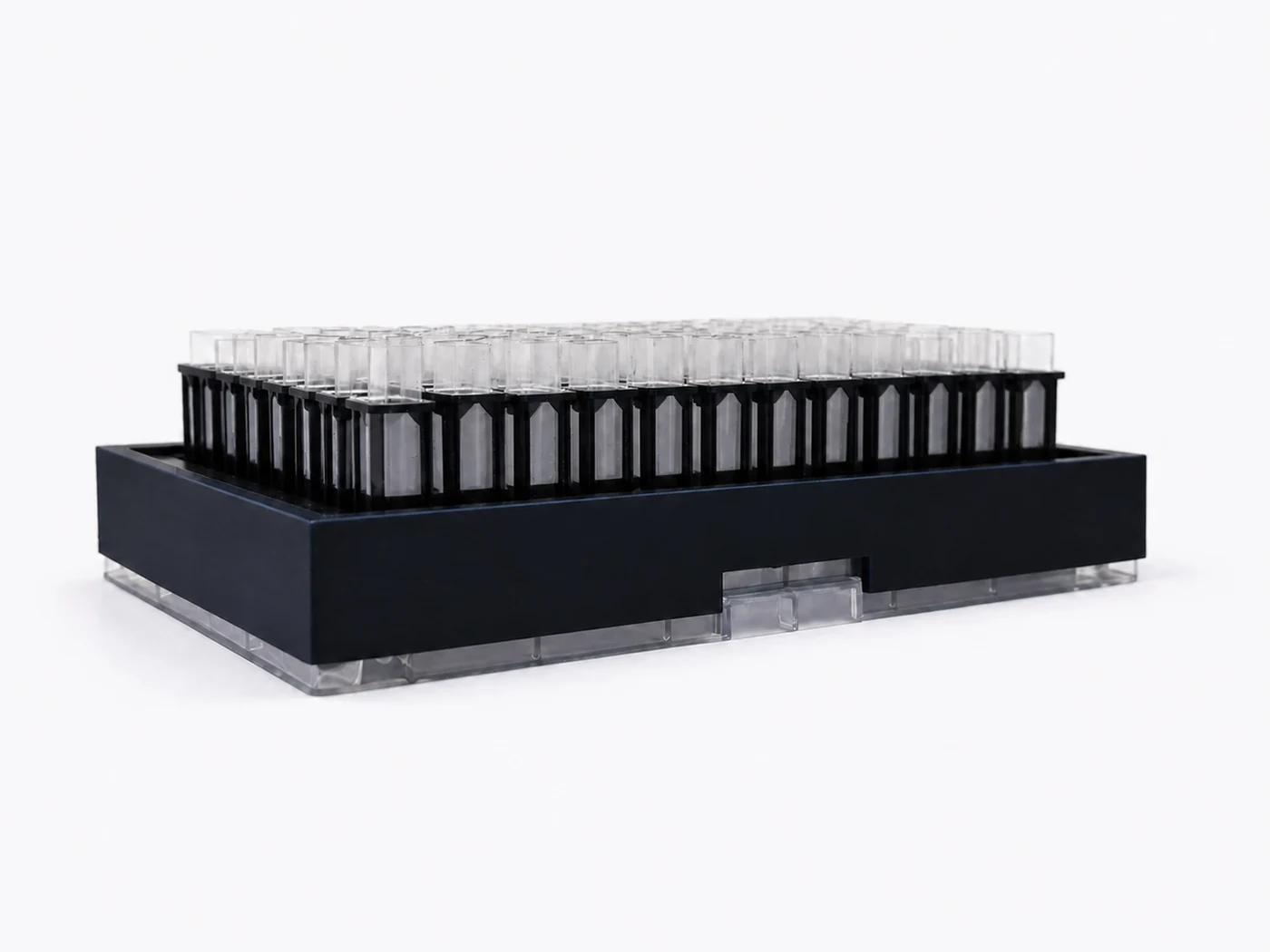
Figure 4 Full membrane array
All 96 membranes are uniformly arranged and hydraulically isolated; overnight dialysis gives CV < 5% between wells.
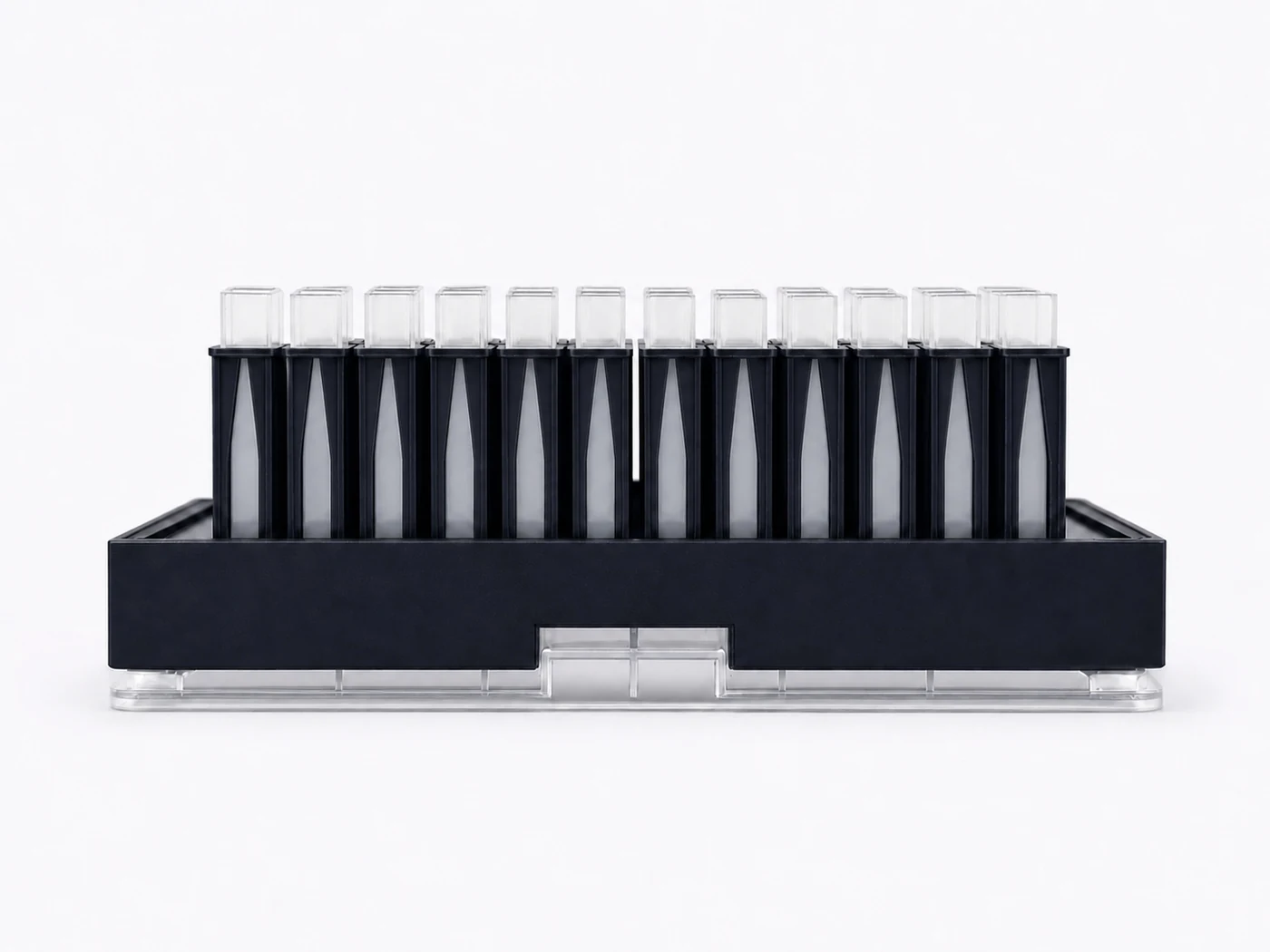
Figure 5 Plate body and membrane positioning
Membrane length sets the active exchange height: 15 mm on the 25 mm models, 25 mm on the 35 mm models.
Models
Models and configurations
| Model | Structure | Membrane length | Active exchange height | Working volume per well |
|---|---|---|---|---|
| 96W-D-ST-25 | Standard | 25 mm | 15 mm | 50–250 μL |
| 96W-D-ST-35 | Standard | 35 mm | 25 mm | 50–400 μL |
| 96W-D-ST-C-25 | Self-contained dialysate | 25 mm | 15 mm | 50–250 μL |
| 96W-D-ST-C-35 | Self-contained dialysate | 35 mm | 25 mm | 50–400 μL |
Naming: 96W is the 96-well plate, D is dialysis, ST is the standard structure, C is the self-contained dialysate structure (container), and the trailing number is the membrane length in millimetres. C models are designed to work with the companion dialysis container for more efficient dialysate exchange. The maximum working volume per well is 400 μL; the final specification is confirmed per application.
Plate body, operating conditions, and packaging
Note: membrane material, MWCO, membrane length, and working volume should be selected against the target molecule, sample matrix, and dialysis time. Our team can help confirm the configuration.
Applications and accessories
Typical applications
Ethanol removal and buffer exchange after LNP formulation screening; desalting of proteins, peptides, and other low-volume biological samples; removal of small-molecule residuals from nucleic-acid delivery systems. Process development across multiple formulations and conditions can be completed in a single run.
Standard 96-well plate
SBS-compatible plate interface
Ready for liquid-handling workstations
Selectable membrane length
25 mm or 35 mm
Giving 50–250 μL or 50–400 μL
Independent fluid path per well
Potted seal and retention
No well-to-well carryover; CV < 5%
Companion circulator
C models sit in the chamber
Settable 4-50 °C with continuous flow
Companion benchtop dialysate circulator
The C models (96W-D-ST-C-25 and 96W-D-ST-C-35) are designed to sit in the container chamber of the benchtop dialysate circulator. Dialysate is held in a replaceable single-use polypropylene (PP) container of up to 4 L, with the temperature settable across 4-50 °C; the front-panel peristaltic pump moves or circulates dialysate between the container and the external dialysis assembly, keeping the active section of every membrane immersed in temperature-controlled fluid. Temperature control and pumping sit in one instrument, so no separate water bath or pump is needed, and changing batch means changing the single-use container rather than cleaning and revalidating a reservoir.
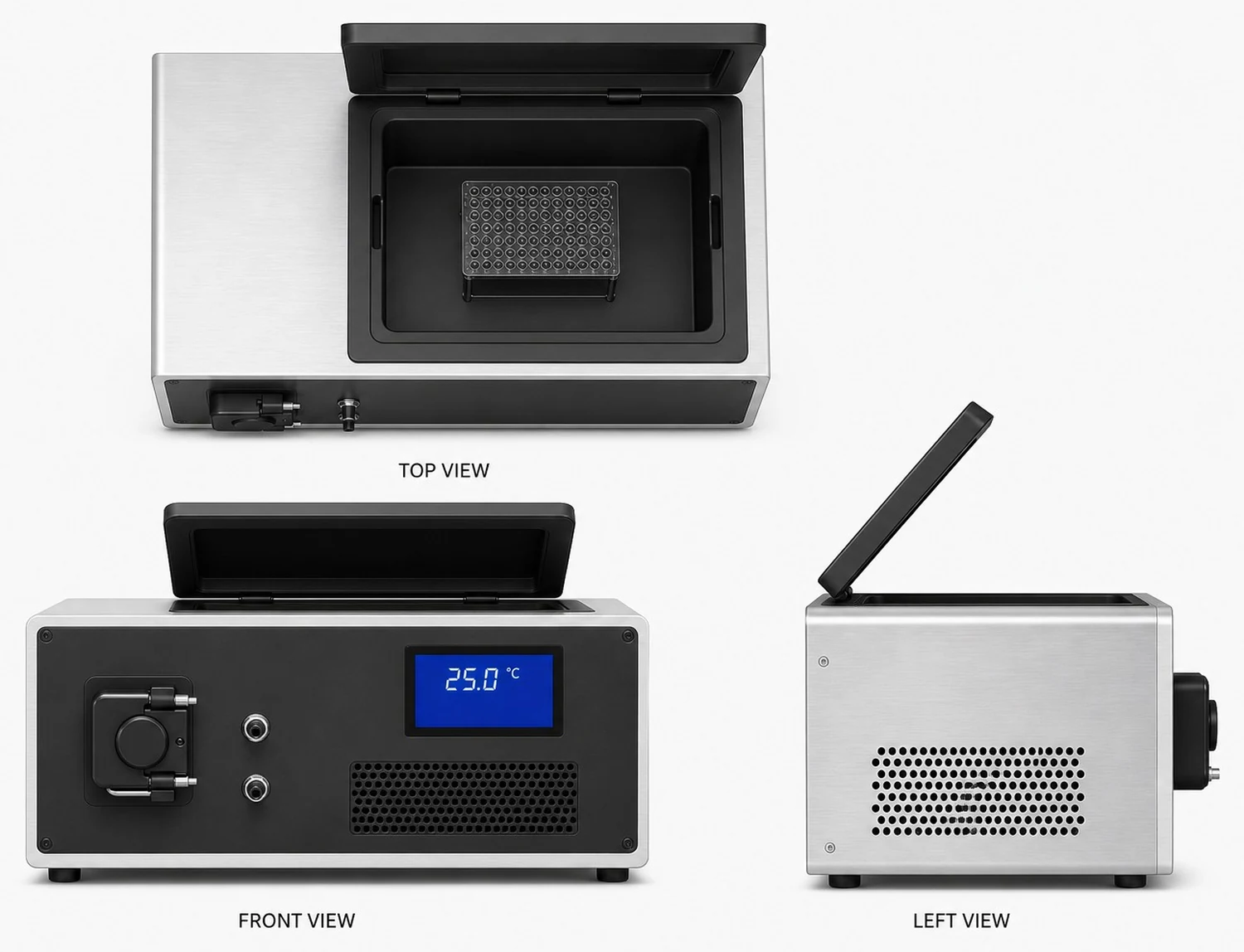
Benchtop dialysate circulator
Top, front, and left views. A hinged lid loads the single-use container and the dialysis plate from above; the pump head, the two quick-connect fluid ports, and the display sit together on the front face, so tubing, connections, and readings are all reachable without moving the instrument. Concept render, not a dimensioned drawing.
High throughput
One plate processes 96 samples at once, covering multiple formulations and conditions in a single run.
No carryover
Fluid paths are isolated well to well; overnight dialysis across production lots gives CV < 5%.
Familiar handling
Loading and sampling through open wells works exactly like an ordinary 96-well plate.
Wider volume range
50–400 μL per well covers volumes that conventional microdialysis plates handle poorly.
Configurable
Membrane material, MWCO, membrane length, companion single-use container, and dialysate circulator can all be adjusted.
Instrument specifications
Note: at a dialysate volume of 100x the sample volume, a full plate at 250 uL per well (24 mL of sample) needs about 2.4 L, within the 4 L capacity; a full plate at 400 uL per well (38.4 mL of sample) needs about 3.84 L, also within the 4 L capacity but close to the fill limit, so the actual liquid level and container headroom must be confirmed before use. Flow range and accuracy, temperature accuracy and uniformity, heating and cooling times, instrument dimensions and weight, supply and rated power, and ingress protection rating are not yet frozen and are governed by the released specification; 4-50 °C is the setting range and is not a statement of control accuracy or uniformity. The instrument is for research and process development use.
Workflow
Operating procedure
Membrane activation before use
The membrane ships dry and must be activated before use. Keep the membranes immersed throughout the procedure.
- (1) Boil for 10 min in a large volume of 2% (w/v) sodium bicarbonate solution.
- (2) Rinse thoroughly with distilled water.
- (3) Transfer to 1 mmol/L EDTA solution (pH 8.0) and boil for 10 min.
- (4) Cool and store immersed at 4 °C.
- (5) Before use, fill each well with deionized water, drain, and repeat until clean.
- (6) Where background requirements are modest, boiling for 10 min in deionized water alone is sufficient.
1 Prepare
Confirm membrane specification, working volume, dialysate, and container, then complete membrane activation. Start the dialysate temperature-control module in advance if circulation is used.
2 Load
Add the specified volume to each well through the openings on top, using a pipette or a liquid-handling workstation.
3 Dialyze
Place the plate in the dialysate and confirm the active membrane sections are fully immersed. Use roughly 100× the sample volume of dialysate. For static dialysis, exchange at 2–4 h, 6–8 h, and 10–14 h, then dialyze for a further 2 h after the last exchange; continuous controlled renewal is also possible.
4 Recover and analyze
Recover the samples from the upper wells with a pipette or workstation. Measure residual salt, ethanol, or other small molecules, and check recovery against the sample quality criteria.
Precautions
Precautions
This product is for research and process development use. Clinical or diagnostic use requires separate validation.
- 01 Before the formal experiment, run a recovery and leakage check with blank buffer or a representative sample.
- 02 Samples typically swell 1.2–1.5× during dialysis, with wide variation between samples; leave headroom when loading. Determine the safe load volume for high-salt, high-density, or high-osmolarity samples in a pilot run.
- 03 Dialysis time depends on sample volume, target small molecule, dialysate volume, exchange frequency, membrane specification, and temperature, and must be established for each system.
- 04 Avoid contaminating or mechanically damaging the membrane during use; once wetted, the membrane must not be allowed to dry.
- 05 Verify compatibility and recovery before running samples containing organic solvents, high salt, high viscosity, or high osmolarity.
- 06 The product is designed as a single-use consumable; reuse reliability is not guaranteed.
- 07 On automated platforms, confirm pipetting paths, tip heights, and dispense speeds within the production method.
Benchmark positioning
Positioning against the Pierce 96-Well Microdialysis Plate
This comparison supports product positioning and early customer discussions. Competitor details are summarized from Thermo Fisher Scientific user guide Pub. No. MAN0011812 Rev. B.0. Cresivis figures are taken from the 2026-09 product manual; the final specification is the one shipped with the product.
| Dimension | Reference product | Cresivis dialysis plate |
|---|---|---|
| Product position | Pierce 96-Well Microdialysis Plate | Cresivis 96-well parallel dialysis plate, 96W-D-ST |
| Sample volume | 10–100 μL per sample | 50–250 μL (-25 models) / 50–400 μL (-35 models) |
| Sample access | Pipette tip inserted into a circular opening | Standard 96-well openings for loading and sampling from above |
| Dialysis architecture | Microdialysis chambers used with a 96 deep-well plate | Independent regenerated-cellulose tubular membrane beneath each well, hydraulically isolated |
| Membrane options | Published guide lists 2K, 3.5K, 10K, and 20K | Standard 12 kDa; membrane material and MWCO configurable by application |
| Well-to-well consistency | No single CV figure published | CV < 5% (overnight dialysis, separate production lots) |
| Localization value | Fixed imported product specification | Local supply, configurable architecture, and iterative application validation |
Selection and customization
Selection and customization
Selection and customization are confirmed together with our technical team. The more specific the information below, the closer the recommended configuration will be to your actual requirement.
Information needed for selection
- Sample type and target molecular-weight range.
- Components to remove: salts, ethanol, small-molecule impurities.
- Sample volume per well, chosen between 50 and 400 μL by model.
- Throughput: a single plate, multiple plates, or integration into an automated platform.
- Dialysate type, volume, exchange frequency, temperature, and time.
Customizable elements
- Membrane material and MWCO.
- Membrane length and active exchange height.
- Companion single-use dialysis container and benchtop dialysate circulator.
Downloads
Downloads
The documents below are the 2026-09 release. Content may be updated without notice; the specification shipped with the product governs.
Product manual (English)
Structure and principle, technical parameters, models and configurations, membrane activation, operating procedure, and precautions.
One-page product sheet (English)
Single-page overview: structure, applications, workflow, models, and key technical parameters.